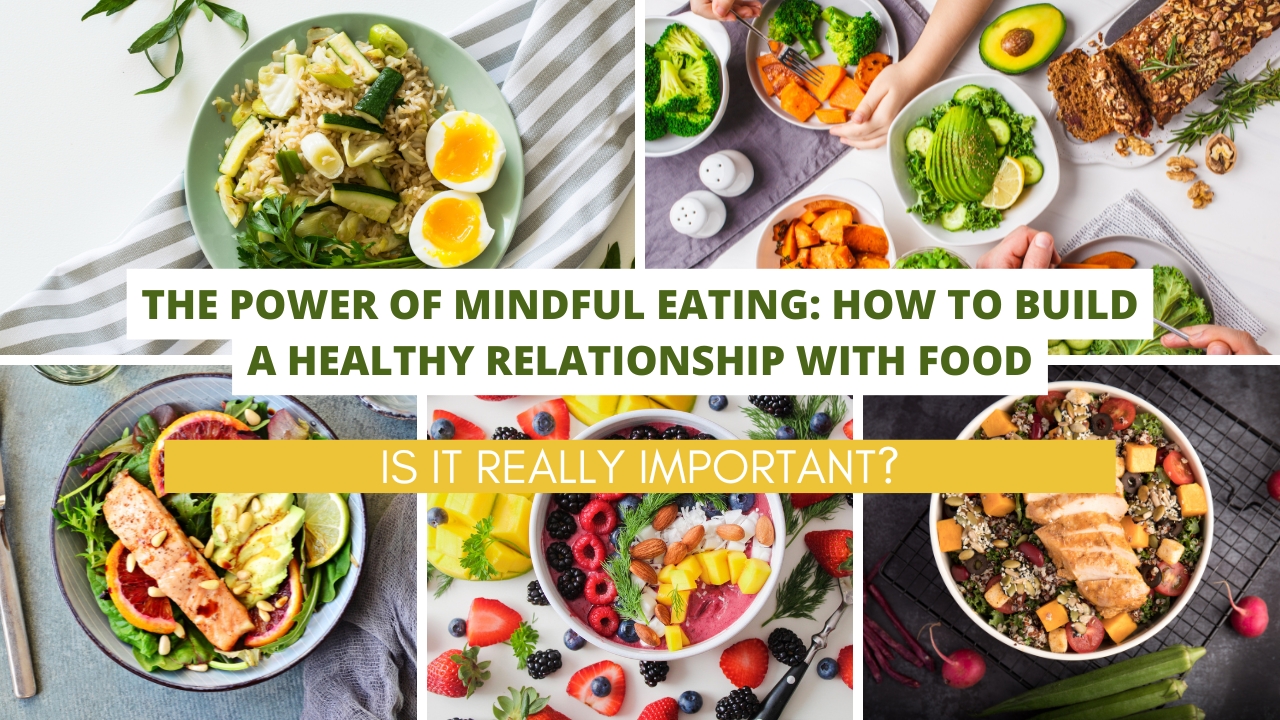
The Power of Mindful Eating: How to Build a Healthy Relationship with Food
In our modern lifestyle, food has often become more about convenience than nourishment. We rush through meals while checking notifications, eat snacks without even tasting them, and sometimes overeat just to fill emotional gaps rather than true hunger. This fast and distracted way of eating may save time, but it gradually damages our health, our digestion, and even our mindset toward food.
Mindful eating offers a refreshing and healing solution. It’s not a diet, it’s not about restrictions, and it doesn’t involve counting every calorie. Instead, mindful eating is about slowing down, listening to your body, and truly enjoying the act of eating. When practiced regularly, it can change the way you look at food forever.
At Mikaa Health, we believe that food should not just fuel the body but also bring joy, peace, and gratitude into our daily lives. In this guide, we’ll explore what mindful eating really means, its life-changing benefits, how to practice it step by step, and how to overcome challenges along the way.
🌱 What Exactly is Mindful Eating?
Mindful eating is the art of being fully present while you eat. It’s paying attention to your food with all your senses—the way it looks, smells, feels, and tastes. It’s also about noticing what your body is telling you: Am I hungry? Am I satisfied? Do I actually want this food right now?
Unlike dieting, mindful eating does not restrict certain foods. You don’t have to ban sugar or carbs. Instead, it helps you eat in moderation, without guilt, while honoring your body’s natural needs.
For example, imagine eating a fresh green smoothie. Instead of gulping it down while replying to emails, mindful eating encourages you to notice the vibrant color, the refreshing smell of blended fruits, the cool texture, and each sip as it nourishes your body. This awareness completely transforms the experience.
💚 Why Mindful Eating Matters
Food is not just about calories or taste—it deeply affects our physical, emotional, and mental health. Practicing mindful eating can bring multiple benefits:
- Improved Digestion — When you chew slowly and eat without distraction, your digestive system works more efficiently. You experience less bloating, acidity, and discomfort.
- More Satisfaction with Less Food — By paying attention to taste and texture, you naturally eat less yet feel more satisfied. A small portion can feel fulfilling when you’re truly present.
- Healing Food Guilt — Mindful eating helps you break the cycle of guilt. You learn that no food is “bad”; it’s about how and why you eat it.
- Natural Weight Management — Instead of extreme diets, mindful eating teaches you to stop when satisfied. Over time, this leads to healthy and sustainable weight balance.
- Emotional Balance — By practicing mindfulness, you start recognizing your emotions and dealing with them in healthier ways instead of emotional eating.
🌿 How to Practice Mindful Eating (Step by Step)
Building a mindful eating practice takes patience. Here are simple but powerful steps:
- Step 1: Pause Before Eating — Take a moment before meals. Breathe deeply, observe your plate, and bring awareness to your body’s hunger level.
- Step 2: Eliminate Distractions — Turn off the TV, put your phone aside, and sit at a table. When your mind is clear, your body connects better with your food.
- Step 3: Use All Five Senses — Look at the colors on your plate. Notice the aroma. Feel the texture with your fork or hands. Chew slowly, noticing each flavor.
- Step 4: Listen to Your Body — Eat when you’re truly hungry, and stop when you’re satisfied—not stuffed. This can take practice but becomes easier with consistency.
- Step 5: Express Gratitude — Take a few seconds to thank the effort, people, and natural process that brought the food to your table. Gratitude turns a simple meal into a nourishing experience.
🌸 Overcoming Common Challenges
Even with the best intentions, mindful eating can feel difficult in real life. Here’s how to handle common obstacles:
- Emotional Eating — Ask yourself: Am I hungry or am I stressed? If it’s emotions, try journaling, a short walk, or calling a friend.
- Eating in a Rush — If you can’t avoid a busy schedule, at least try three mindful practices: take deep breaths before eating, chew slowly, and avoid multitasking.
- Social Situations — At parties, enjoy the company, taste everything slowly, and stop when your body says “enough.” Balance is key.
🌟 Tips to Strengthen Mindful Eating
- Keep a food journal noting when you eat out of hunger versus emotion.
- Drink water before meals to check if you’re thirsty, not hungry.
- Begin meals with small portions—you can always add more if needed.
- Try silent meals once a week for deeper awareness.
- Replace negative self-talk with compassion. Food is meant to nourish, not punish.
🧘 The Deeper Connection Between Food and Mind
Mindful eating is not just about health—it’s also about mental peace. By slowing down and being present, you reduce stress, improve focus, and create a stronger bond between mind and body. It teaches you patience, gratitude, and awareness—qualities that improve not only your eating but also your overall lifestyle.
🌿 How Health Coaching Can Help
Sometimes we need extra guidance to turn mindful eating into a lifestyle. At Mikaa Health, we design wellness programs that:
- Help you identify emotional triggers behind eating
- Build personalized strategies for healthy eating habits
- Support you in weight management without strict diets
- Improve your energy, digestion, and stress levels
Working with a coach provides accountability and encouragement, making the journey smoother and more enjoyable.
✨ Final Thoughts
Mindful eating is more than just a way to enjoy food—it’s a powerful practice that can transform your health, emotions, and overall well-being. By slowing down, appreciating your meals, and respecting your body’s signals, you build a healthier and happier relationship with food.
Every bite is an opportunity to nourish not just your body, but also your mind and spirit. 🌱 Start small. Choose one meal a day to eat mindfully. With time, it will become second nature—and your body will thank you for it.